
When to schedule wedding photos for soft, flattering lightWhen to schedule wedding photos for soft, flattering light
For couples planning a 2028 or 2029 wedding, the evening golden hour is often a lovely time for portraits. Aim to schedule them around one to two hours before sunset, adjusting for your date and location. The best time of day for wedding photos depends on the light available at your venue. As you plan, consider how the season, cloud cover and surroundings will affect your photographs. Bright midday sun can create strong shadows, while an overcast sky or shaded spot often provides softer light. This guide covers golden hour, cloudy weather, midday sun and shade from trees or hills. You’ll also find practical ways to fit portraits into your wedding timeline, so they sit naturally alongside the moments you want to share. Key Takeaways
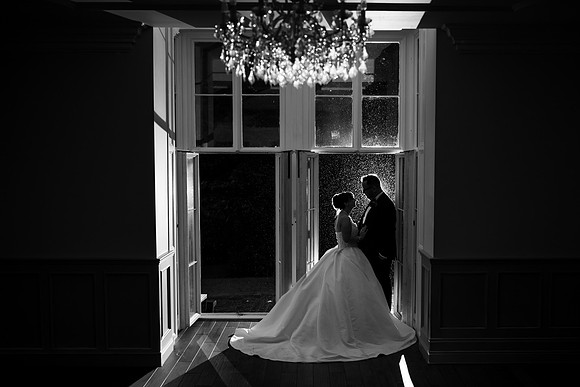
1. Why the Golden Hour?For portraits, plan around the evening golden hour, usually one to two hours before sunset. This gives you a chance to step away from guests for softer, warmer light. The best time of day for wedding photos depends on the season, location and sun’s position, so plan around the sunset at your venue rather than a fixed clock time. Golden-hour light is associated with the periods around sunrise and sunset. Both periods can create a golden glow, but the evening window is usually more practical for wedding portraits. You’re already dressed, the ceremony has taken place, and the photographs can offer a quiet pause in the day. When the sun sits lower, its light reaches you at a gentler angle than harsh overhead sunlight. This can soften shadows across faces and add warmth to skin, clothing and the setting. For example, a couple standing in open light may look more evenly lit than beneath a high midday sun. The result still depends on the weather and surroundings, but the lower sun is a useful starting point. To find the evening golden hour, first look up the sunset time for your wedding date and location. Then discuss the timing with your photographer and wedding planner, allowing for the route from the reception to your chosen portrait spot. Trees, hills and buildings can hide the sun before the published sunset, so note what the venue’s horizon looks like. In summer, sunset may be at 8:30 pm or later, leaving portraits until the evening. Set aside about 30 minutes for evening golden-hour portraits. If you want a longer couple session, allow around an hour and aim to begin 30-45 minutes before sunset. This gives you time to settle into the photographs and use the changing light, instead of rushing through every pose in the final moments. Keep the location nearby, especially if guests are gathering for the reception. How can you fit golden-hour portraits in without missing the reception? Reserve a short break in the timeline, plan it around the meal or evening celebrations, and choose a spot close to the venue. You can return to your guests promptly while still making time for photographs in the evening light. 2. What about cloudy or overcast days?An overcast sky can be a welcome opportunity for portraits. Clouds diffuse the light, creating a softer, more even look than direct sunshine. This can reduce strong shadows across faces and help you use open areas without squinting in bright light. Keep the plan flexible, though: changing cloud cover can alter the light between locations. A first look and daytime couple session needs 45-60 minutes in the wedding day timeline. The first-look moment itself may take 5-10 minutes; use the remaining time for relaxed couple portraits nearby. If this is your only planned portrait session, add another 45 minutes to an hour. That gives you space for photographs together without compressing the rest of the day. Cloudy weather also gives you more freedom to plan around the ceremony instead of waiting for sunset. Choose a sheltered outdoor spot or a bright indoor area as a backup. Before the wedding, map the route between the ceremony space, reception and portrait locations. Keeping the walk short helps protect the schedule and keeps you close to your guests. The drinks reception can provide a natural break for portraits. A one-hour drinks reception may offer a window, but it’s also time to greet guests and enjoy the celebration. Agree on a clear start and finish with your photographer and planner, then step away for a focused session. If the sky brightens, a shaded area can help maintain softer light. Consider your venue’s character when choosing a portrait location. A garden path, courtyard or covered entrance can offer a different backdrop without a long journey. Look for even light on both faces, uncluttered surroundings and enough room to move naturally. If it rains, an indoor space with window light can keep the session comfortable and connected to the day. Some couples prefer a brief reception first look before the room opens to guests. Allow 10-15 minutes at the end of the drinks reception for this moment and a few portraits. It can work well when you want the atmosphere of the reception space in your photographs. For ideas on how wedding photography can reflect your day, consider how its locations and light fit the schedule. 3. So what’s wrong with midday sunlight?Golden hour is generally more flattering for couple portraits than bright midday sun. A sunny summer ceremony at 1 pm can create harsh shadows, while winter’s lower sun can give softer light around midday. The right choice depends on the season, the weather and whether your venue offers shade. At midday, sunlight often falls from high overhead, creating strong contrast beneath brows, noses and chins. Bright afternoon conditions can make guests squint and leave faces unevenly lit, especially in an open courtyard or field. If your ceremony has to take place then, look for consistent shade, such as beneath trees or beside a building. Check that the light is even across the whole group, rather than patchy beneath leaves. Winter changes the picture. The sun sits lower, so an outdoor ceremony around noon can be an exception to the usual midday challenge. The period before daylight saving time can also offer soft, beautiful light earlier in the day. In the UK, a winter wedding from October to March should start no later than 1 pm if you want an hour of daylight afterwards for couple portraits and group photographs. That shorter daylight window makes the wedding day timeline especially important. Decide which photographs matter most, then place them before the light fades. If you want couple portraits and family groups outdoors, allow for travel between locations and gathering relatives. A 30-minute portrait slot can give you time for a few considered photographs without leaving guests waiting through a long break. Changing weather calls for a practical alternative, not a complete rethink. If clouds move in, use their diffused light in an open space. If it rains, move portraits under a covered entrance or indoors near a window. Choose a main and backup location before the ceremony, then let your photographer adjust positions as the light changes. Your getting-ready venue may offer natural light before you leave for the ceremony. Choose a room with windows, white walls and sheer curtains to make the most of soft light. Clear bags and other clutter from the window area, then use that space for finishing touches and portraits. In a smaller or darker room, opening the curtains and positioning people near the window can make the available light more useful. 4. Planning a photography-friendly wedding timelineStart with your ceremony time, then work outwards around the light, travel and celebrations. For a UK winter wedding from October to March, plan the ceremony no later than 1 pm if you want an hour of daylight afterwards for portraits and group photographs. In summer, an outdoor ceremony from 3 pm onwards can help avoid harsh sunlight. Next, place photography around the moments that shape your day. Allow 90 minutes to 2 hours for getting-ready photography, then leave room for the ceremony and travel between locations. A civil ceremony generally lasts 20-30 minutes, while a church ceremony generally lasts 45-60 minutes. Add these durations before setting the start of your reception. Morning can also hold photographs of details and preparations. Set aside 30 minutes for items such as rings, the dress and shoes, ideally before the day becomes busy. A separate 60-minute preparation photography slot can capture people getting ready. These planned windows help prevent small but meaningful moments from being squeezed between the ceremony and reception. After the ceremony, give guests time to settle before organising group photographs. Leave at least half an hour before gathering everyone, then allow around 30 minutes for 10 group-photo setups. Make a short list of the family combinations you value most. That step helps each group happen promptly and leaves more of the afternoon for conversation and celebration. How much time should you allow for wedding photos at different times of day? A couple’s portrait session typically needs 15-20 minutes, while a first look and daytime couple session needs 45-60 minutes. Evening portraits can use a separate 15-20-minute slot, timed around sunset. Choose the length according to how many locations and combinations matter to you. For a simple timeline, mark the fixed events first: ceremony, meal and speeches. Then fit preparation photographs, group portraits and couple sessions around them. If you’re marrying in winter, schedule outdoor photographs earlier; summer gives you more scope to use the evening. Keep portrait locations close to the ceremony or reception so travel doesn’t eat into your planned time. Leave some breathing room between scheduled moments. Guests may take longer to leave the ceremony, or a family group may need extra help assembling. A flexible afternoon plan lets you adjust portrait timing without losing time with loved ones. The photographs should follow the day’s rhythm, from the anticipation of getting ready to the evening, when you’re already married. 5. Accounting for trees and hills that block sunlightA venue’s sunset time doesn’t always tell you when the sun will disappear from your portrait spot. Trees, hills and nearby buildings can block direct light earlier, changing the useful photography window. Walk the grounds with the ceremony space and couple portrait locations in mind, and notice where the sun sits behind the landscape. How do your wedding venue’s location and orientation affect the best time for photos? The direction each space faces, along with nearby trees or hills, determines where direct light falls and when it becomes blocked. A west-facing garden may catch evening light, while a wooded clearing can fall into shade well before sunset. During a venue visit, look at the ceremony area, the route to the reception and possible portrait locations. Check where you’ll stand during the ceremony, and whether tree shadows cross faces or clothing. A spot with open sky will have different light from a path beneath dense branches. These details help you choose locations that suit both the photographs and the day’s flow. Ask someone at the venue to show you how the grounds look at your planned ceremony time. A morning visit may not reveal the same shadows as an afternoon ceremony. If you’re viewing the venue in winter, remember that the sun follows a different path from summer. Use the visit to find a sheltered alternative, such as a covered entrance or bright indoor space. Orientation also affects the background. With the sun behind the couple, the scene may have a bright glow; facing into it can make people squint. Nearby walls and hedges can block light from one side, so check how faces look from different positions. Your photographer can then choose an angle that captures the setting without letting direct sunlight dominate. For an outdoor ceremony in a completely shaded area, the ceremony can start two to three hours before sunset. In a field with no shade, the suggested start is one hour before sunset. These timings show why the actual ceremony site matters: a wooded venue and an exposed lawn need different plans, even on the same date. Add your findings to the wedding timeline. Note the ceremony position, the route to portraits and the spot where late sunlight remains visible. Share your choices with your photographer before the day, especially if bridal portraits or a quiet moment together outdoors matter to you. This small planning step helps the photographs reflect the venue’s character, not just its sunset time. One Vision Photography | South Wales Wedding Photographer: Wedding Photography PackagesOne Vision Photography | South Wales Wedding Photographer can help you plan wedding photography around your ceremony, venue and preferred portrait light. Its Wedding Photography Packages combine documentary-style storytelling with classic portraiture, capturing genuine moments as well as time together as a couple. When shaping your wedding-day timeline, share the moments and locations that matter most to you. This makes it easier to find a place for portraits, whether you’re hoping for evening light or planning around a winter ceremony. The aim is to preserve the feeling of the day without keeping you away from it for longer than necessary. If you’d like to talk through photography for your wedding, contact One Vision Photography | South Wales Wedding Photographer. Make the light part of your wedding storyChoosing the best time of day for wedding photos is one way to make your plans personal, but the photographs should still fit the day you want. Think about the atmosphere you’d like to remember, the people you want close by and how much time you want away from the celebration. Share those priorities when planning your photography, so the schedule supports your experience rather than taking it over. One Vision Photography | South Wales Wedding Photographer offers wedding photography packages, wedding videography services and engagement photoshoots. These can help you preserve the day itself and create photographs together before the wedding, with genuine moments and your own story at the heart of the images. Your wedding will unfold in its own way. With thoughtful planning and a timeline shaped around what matters to you, you can stay present for the moments you’ll treasure and carry their feeling with you long after the day. Frequently Asked QuestionsSo what’s wrong with midday sunlight?Strong midday sun can cast dark shadows beneath eyes and noses, leaving faces unevenly lit. People may also squint when facing bright light, making relaxed expressions harder to capture. For example, at an exposed ceremony site, the couple and guests may be in direct sun while nearby areas remain shaded. If the ceremony time can’t change, positioning people in consistent shade can soften the contrast. What about cloudy or overcast days?Cloud cover can create even, diffused light, so an overcast day can work beautifully for outdoor portraits. Use the conditions to photograph in open spaces that might feel too bright in direct sunshine. If the clouds break, choose a spot where light falls evenly across both people. A covered entrance or bright window offers an alternative if rain makes the garden unsuitable. Why the Golden Hour?Golden hour is the period shortly after sunrise or before sunset, when the sun is low and its light appears warmer. For wedding portraits, the evening period is usually easier to fit in because the ceremony has already taken place. Its lower angle can bring a gentle glow to a garden, field or stone wall. Choose a nearby setting that feels meaningful, rather than making the light the only consideration. What time is golden hour in the UK throughout the year?There’s no single UK clock time for golden hour: it shifts with the date and your location. It falls in the hour immediately after sunrise and the hour immediately before sunset, so summer and winter weddings have different windows. Check the local sunset time for your wedding date, then account for trees, hills or buildings that could hide the sun earlier. How long before sunset should wedding portraits be taken?Plan to begin couple portraits around 30-45 minutes before sunset if you want a session near the evening light. Allow about 30 minutes for a focused set of wedding portraits, or around an hour if you want a longer couple session. Keep the location close to your reception so that travel doesn’t take up the time intended for photographs together. What is the best time for wedding photos on a cloudy or rainy day?On a cloudy day, portraits can take place whenever they fit the schedule, since cloud cover softens direct light. For rain, choose a sheltered location or an indoor space with window light, and keep a nearby outdoor option for a pause in showers. A first-look session can allow 45-60 minutes, giving you time for the moment itself and portraits without relying on sunset. When should couples schedule wedding portraits around the ceremony and reception?Plan portraits around fixed events first: the ceremony, travel and reception meal. A short couple session can fit during the drinks reception, while a first look before the ceremony offers another option. If you want sunset portraits, agree on a brief pause in the evening schedule. Keep family photographs in a separate slot so your time together doesn’t feel rushed. What lighting problems can harsh midday sun cause in wedding photos?Direct overhead light can create hard facial shadows, bright highlights and strong differences between sunlit and shaded areas. It can also make guests squint, especially in open spaces without shade. For group portraits, patchy light beneath trees may leave some faces bright and others dark. An evenly shaded wall or covered area can provide more consistent light for everyone.
Keywords:
best,
day,
for,
golden,
hour,
light,
of,
one,
overcast,
photo,
photographic,
photography,
photos,
portraits,
Services,
soft,
time,
timeline,
video,
videographer,
videography,
vision,
wedding,
weddings,
winter

Comments
No comments posted.
Loading...
|
Thank you for taking the time to view our South Wales Wedding Photographer Journal here at One Vision Photography. We hope you enjoy our wedding photography and videography. Feel free to leave a comment below — your support genuinely means the world to us. Wedding PhotographyWedding VideographyDestination Wedding PhotographerPortrait PhotographerWe cover all areas of South Wales, the UK, Europe and the rest of the world. Wedding PhotographerWedding VideographerTHANK YOU
Collaborate & Write for Our BlogWe love working with wedding professionals, creative businesses, and storytellers who want to share their expertise and be featured on our website. If you’d like to write a guest post or SEO article and gain a backlink to your website, please get in touch with us first before submitting any content. There is a small fee for this service, which varies depending on the length of the article, the SEO optimisation level, and the type of feature you’re looking for. We’re always on the lookout for engaging, high-quality content that inspires couples, supports the wedding community, and adds genuine value to our readers.
|





Wedding photography and Videography in South Wales covers your local area
from Cardiff to Swansea, Bridgend to the Gower and Brecon to Abergavenny,
and the rest of the UK, including a destination wedding photographer.