
First dance photography for natural, unposed momentsFirst dance photography for natural, unposed moments
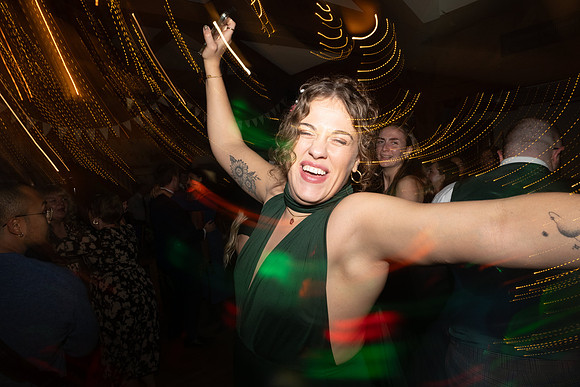
A natural first-dance photograph often comes from doing less, not directing more. This first dance photography guide explains how to stay unobtrusive at the edge of the floor, watch for real expressions and choose a position that gives you room to work. For expressive movement, a shutter-drag exposure of 1/4 to 1/2 a second can create light streaks and a sense of motion. It’s natural to want every image to feel polished, especially when the first dance is such a personal part of the day. But the photographs that bring the moment back often show a laugh, a close embrace or the way you move together, not just a perfectly sharp pose. Prepare for the venue’s lighting, anticipate meaningful moments and decide when blur or grain can add to the story. Consider positioning, too, and how to photograph you and your guests without interrupting the dance. The aim is to make images that feel true to the celebration. Key Takeaways
1. How do you photograph the first dance naturally and unobtrusively?Flash can distract the couple and guests, while moving around can block their view or interrupt the dance. Keep equipment and movement discreet: work from the edge, avoid crossing the couple’s path, and use ambient light where it gives enough detail. If flash is needed, use it selectively and watch how it changes the room’s atmosphere. Before the music begins, take in the venue lighting. Ambient light preserves the room’s colour and mood, from warm fairy lights to a softly lit dance floor. A fast lens and wide aperture can help capture movement in low light, allowing the photographer to work without firing a flash at every moment. Prepare for the room, not an imagined ideal setup. Ask the couple to share the venue’s first-dance lighting plan and any planned special effects in advance. Allow about 10 minutes to set up lights before the dance. A 16mm wide-angle prime lens can include the couple, surrounding lights and nearby guests in one frame. For light streaks, use a slower shutter and move the camera across the lights as you take the photograph. An exposure of 1/4 to 1/2 a second can record expressive movement as well as the room’s lighting. The camera movement creates streaks; moving it further or changing direction can alter their shape. Keep the couple’s connection in the frame, even as the background blurs. Direct flash offers another look, but it needn’t overpower the ambient light. A shutter speed around 1/6th of a second can retain some movement and surrounding colour in direct-flash dancefloor photographs. Balance the flash with the existing lights, then review a test frame: if the couple looks harshly lit, reduce flash power or adjust the angle. In a very dark room, a small amount of flash can help define faces and clothing while the slower shutter records the atmosphere. For shutter drag, ISO around 400 or 800 can help avoid high flash power; the flash may then be set to 1/4 or 1/8 power. Treat these as starting points, because room brightness and distance affect exposure. Choose an approach that suits the light and your movement. If the venue has coloured spotlights, start with ambient light; if faces disappear into shadow, add restrained flash. A test shot before the dance can reveal distracting shadows, bright highlights or unwanted streaks. Then the photographer can stay at the edge and capture changing light without directing you. 2. Where do you position yourself during the first dance?Before the wedding, share your song, approximate dance length, choreography and any special moments with your photographer. Mention planned effects, such as confetti cannons, so they can choose a clear position before the action begins. A photographer can start at the edge of the dance floor, where they can see you without standing among your guests. They should find a clear sightline and check for obstacles such as chairs, speakers or a crowded table. Leave enough open floor for you to move and for them to change angles without crossing your path. One fixed position rarely tells the whole story. A wider view can show the setting and everyone watching, followed by discreetly captured close frames of hands, expressions or a turn in the choreography. Parents wiping away tears and friends cheering add another layer. These reactions can be photographed from the perimeter, without walking between guests and the couple. Move with purpose, not constantly. A short change of position during a musical pause can create a fresh angle; circling the couple throughout the song risks drawing attention and blocking someone’s view. Watch how the couple turns, then choose the side that keeps their faces visible. If guests gather at the front, step towards an open corner instead of pushing through the crowd. The dance should suit you, not the camera. Some couples enjoy a fully choreographed routine; others prefer a slow sway or an easy shuffle. Choose a song you both genuinely love, whatever its genre, and practise any planned steps together. Familiar music and comfortable movement can bring out more natural expressions than a routine that feels like a performance. Agree with the DJ or band on how guests will join. They might invite everyone onto the floor after the first two bars, or you can welcome guests halfway through the song. Either choice affects the photographer’s position: a wide view works as the floor fills, followed by closer moments among the group. Upbeat songs afterwards can keep the energy going and give the camera more of the celebration as it gathers pace. 3. Blur and grain as part of the photographic styleDocumentary-style photography records the first dance as it unfolds, without asking you to pause or repeat a movement. A glance, a hand resting on a shoulder or a burst of laughter can mean more than a perfectly arranged pose. The photographer watches for these small changes and lets your connection shape the images. The result can include sharp frames, soft movement and details from the celebration around you. Blur can help convey how dancing felt, rather than simply show where everyone stood. A turning dress might leave a gentle trail, while a still embrace remains more defined. The key is intention: keep an expressive gesture or connection recognisable, and use movement around it to suggest energy. If every image is indistinct, the sequence can lose its story. A mix of crisp moments and creative blur gives the final selection variety. Grain can also suit a dim reception, adding visible texture instead of making every shadow look unnaturally smooth. It works best when it supports the atmosphere, such as a softly lit room with warm lights and a close, intimate dance. Grain and blur are different: grain changes the image’s texture, while blur softens detail through movement or focus. A photographer can decide whether either belongs in the frame while capturing it, then apply a consistent treatment during editing. The tradition leaves room for different expressions. By the mid-twentieth century, the first dance had become a near-universal feature of Western wedding receptions, but couples still make it their own. One pair may choose a formal waltz; another may sway together before inviting guests to join. Documentary photographs can honour either style without making a relaxed dance look staged. Editing should preserve the character of the room and the people in it. If coloured lights wash across your faces, for example, retain enough colour to recall the atmosphere while keeping expressions clear. Avoid heavy grain across every frame or smoothing away meaningful details. A coherent set might include a clean portrait, a frame with gentle movement and a grainier image that feels like the music. Think of the photographs as a short visual passage, not a collection of unrelated effects. A first dance lasting 2.5 to 3.5 minutes allows time for different moments without making the experience feel drawn out. The photographer can capture an opening embrace, changing movement and the couple’s response as the room joins in. If confetti or another planned effect appears, a frame before and after it falls can show both anticipation and celebration. 4. Observing dancers and anticipating momentsGood anticipation starts before the music does. Notice how the couple stand together, where their hands rest, and whether they look towards each other or the room. A quiet glance before the first step can become a meaningful frame. Watch for small cues, such as one partner taking a breath or smiling as the opening notes begin, and be ready before the movement starts. Follow the couple’s rhythm instead of expecting polished dance steps. One pair may glide across the floor; another may shuffle gently in place. Watch for repeated turns or changes in pace, then frame the moment just before it happens. If a hand lifts or a partner leans closer, the next expression may be the photograph that captures their connection. A useful first dance photography guide makes room for these unscripted gestures. Expressions can change quickly during a first dance. A shared laugh, a nervous smile turning relaxed or a parent’s emotional reaction each adds another part of the celebration. The photographer can keep watching you while scanning the guests between key movements. When a parent reaches for a tissue or friends begin cheering, they can capture the response without losing sight of you. Music offers useful signals. A chorus, instrumental pause or change in tempo can prompt a turn, an embrace or a spontaneous cheer. The photographer can learn the song’s structure in advance, then watch you rather than rely on the beat alone. Your reactions may come just before a musical change, especially if you know the track well or have practised a routine. Guests joining the dance can create a fresh set of moments. As the floor fills, notice who approaches first and how the couple responds. A child reaching for a parent’s hand or a friend joining with a joyful spin can make the sequence feel personal. Keep attention on the couple’s expressions as the group changes around them. Think in short visual sequences: you begin to move, share a look, then respond to the room. A wide frame, for example, can show guests gathering, followed by a closer image of you laughing together. This captures both action and emotion. A first dance photography guide can help shape those frames into a story rather than a set of disconnected poses. Stay ready for unscripted moments, even when the routine is choreographed. A missed step may prompt laughter; a simple shuffle may lead to a tender pause. The aim isn’t to make every frame perfectly sharp or predictable, but to recognise which gestures carry feeling. By watching faces, hands and guests’ reactions, a photographer can capture the first dance as it genuinely unfolds. 5. Photographing a wedding first danceA first dance deserves more than a single image of you standing together. Strong wedding photography can show the setting, the movement and the feeling between you, then preserve reactions from the people sharing the celebration. Think of the sequence as part of your wedding-day story, from the first step to the moment the dance floor opens. Before the reception, share your first-dance song, approximate length, choreography and any moments you especially value. This gives the photographer a sense of what may happen without turning the dance into a list of instructions. A planned dip, a turn towards family or a surprise guest joining can each shape the sequence. During the dance, photographs can move between wide, mid-range and close views. A wide frame places the couple within the venue; a closer frame can hold a glance or joined hands. Keep the couple’s faces and gestures central, while allowing details such as a parent watching nearby to add context. These changes in distance help the images feel connected rather than repetitive. Coverage should reflect your style. A choreographed routine may call for attention to key transitions, while a simple sway can offer quieter moments of closeness. Neither requires you to perform for the camera. The photographer can work unobtrusively, capturing genuine movement as it happens and including guests’ reactions when they add meaning to the scene. For a printed wedding album, selecting 3 to 5 first-dance photographs can create a concise visual passage. Choose a wide view, a mid-range frame and a close-up, then consider whether a guest reaction or distinctive moment completes the story. A strong selection favours variety and connection over several similar images. Together, the photographs can recall not only what the dance looked like, but how the room felt. How much does wedding first-dance photography cost in the UK? The price depends on the coverage and package, and is provided after a quote request; factors include the length of coverage and whether photography is combined with videography. This is why the dance is usually considered within wider wedding-day coverage, rather than as a standalone price in this guide. For a considered record of the dance within your wedding-day story, explore wedding photography. One Vision Photography | South Wales Wedding PhotographerOne Vision Photography | South Wales Wedding Photographer combines documentary storytelling and classic portraiture to preserve your first dance as part of your wedding-day story. The team is a natural fit when you want photographs that reflect your movement, the room’s atmosphere and the people sharing the moment, rather than a series of posed images. Wedding Photography Packages can capture the dance alongside the wider celebration, while Wedding Videography Services preserve its movement and sound. This approach suits a choreographed routine or a simple sway, with genuine expressions and guest reactions shaping the story. Share your song, planned choreography and any special moments ahead of time to help the team prepare for the photographs that matter to you. To talk through your wedding photography, contact One Vision Photography | South Wales Wedding Photographer. Make the photographs feel like youAs you plan the celebration, think about what you’ll most want to remember years from now. It might be the way you looked at each other, a family member’s reaction or the moment everyone joined the dance. That feeling can guide the photographs without turning the dance into a performance. A useful next step is to share your priorities with your photographer, along with the song and any planned choreography. This first dance photography guide is a starting point, but your own story should shape the final images. If being photographed feels unfamiliar, an Engagement Photoshoot can help you experience a relaxed session together before the wedding. Your first dance doesn’t need to be perfect to be meaningful. Let it be yours, and give those honest moments room to become part of your wedding story. Frequently Asked QuestionsHow do you photograph the first dance naturally and unobtrusively?Work quietly and avoid interrupting the couple with directions or repeated camera checks. Before the song, settle on an exposure that suits the room, then watch for small changes: a hand reaching up, a turn towards a parent or a shared smile. If a moment passes, keep following the dance rather than asking the couple to recreate it. Do you only photograph us during the first dance, or the guests too?Photographs can include both the couple and their guests, whose reactions help show how the dance felt to everyone in the room. A sequence might include the couple’s first steps, a grandparent watching from a table and friends clapping as the song ends. The couple remains the focus, while carefully chosen guest images give the memory a fuller sense of family and celebration. How do you capture the first dance without it feeling staged?Photograph what the couple naturally do together instead of asking them to repeat actions for the camera. A spontaneous laugh after a missed step can feel more personal than a perfectly timed pose. Couples can choose a simple sway or a choreographed routine, then focus on each other. The photographer follows their interaction, letting the images reflect their personalities rather than a generic dance sequence. How do you capture the magic of the first dance without adding stress?Keep the photography plan simple and share only details that affect the moment, such as the song, choreography or a planned surprise. Couples don’t need to perform for the camera or worry about whether every step looks polished. If nerves rise, a familiar song and comfortable pace can help the dance feel more personal. The photographer can work around the couple, leaving them free to enjoy the moment together. Where do you position yourself during the first dance?Choose a position that keeps the couple visible without placing the photographer in the guests’ main sightline. The best angle depends on the room: a clear view near the edge may work at the start, while an open corner can help when guests gather around the floor. If the couple repeatedly turns in one direction, moving to the opposite side can reveal their expressions rather than just their backs. Will an unplanned moment during the dance still look good in photos?Yes, an unplanned moment can make a photograph especially meaningful because it reflects what genuinely happened. A missed step, an unexpected embrace or a child joining the dance may bring out expressions that planned choreography cannot. The photographer can frame the people involved and the couple’s reaction. The moment doesn’t need to be flawless; its value often comes from the connection it reveals. How do you photograph a wedding first dance step by step?First, learn the song, approximate duration and any planned movement. Next, assess the room and find a position that gives a clear view without interrupting guests. During the dance, follow the couple’s expressions and changing movement, then include a few reactions from family or friends. As the song ends, watch for an embrace or a transition into the next dance. This sequence captures a beginning, a middle and a natural finish. What camera settings and lenses work best for first dance photography?Settings depend on the venue and lighting, but a 16–35mm wide-angle lens can help include the couple and surroundings. For a backlit and frontlit setup, two communicating flashes can be used, with the on-camera flash set to Master and the off-camera flash to Slave. Position the off-camera unit between thigh and neck height, pointing towards the photographer. Test frames help balance the flash with the room’s existing light.
Keywords:
candid,
dance,
drag,
first,
guide,
moments,
natural,
new,
one,
photo,
photographer,
photographic,
photography,
photos,
reception,
Services,
shutter,
tips,
video,
videographer,
videography,
vision,
Wales,
wedding,
weddings

Comments
No comments posted.
Loading...
|
Thank you for taking the time to view our South Wales Wedding Photographer Journal here at One Vision Photography. We hope you enjoy our wedding photography and videography. Feel free to leave a comment below — your support genuinely means the world to us. Wedding PhotographyWedding VideographyDestination Wedding PhotographerPortrait PhotographerWe cover all areas of South Wales, the UK, Europe and the rest of the world. Wedding PhotographerWedding VideographerTHANK YOU
Collaborate & Write for Our BlogWe love working with wedding professionals, creative businesses, and storytellers who want to share their expertise and be featured on our website. If you’d like to write a guest post or SEO article and gain a backlink to your website, please get in touch with us first before submitting any content. There is a small fee for this service, which varies depending on the length of the article, the SEO optimisation level, and the type of feature you’re looking for. We’re always on the lookout for engaging, high-quality content that inspires couples, supports the wedding community, and adds genuine value to our readers.
|





Wedding photography and Videography in South Wales covers your local area
from Cardiff to Swansea, Bridgend to the Gower and Brecon to Abergavenny,
and the rest of the UK, including a destination wedding photographer.