
Capturing the Emotion of Your Wedding Day: A Practical GuideCapturing the Emotion of Your Wedding Day: A Practical Guide
The photographs that bring you back to your wedding day may be the ones you never knew were being taken. Capturing the emotion of your wedding day isn’t about performing for the camera; it’s about preserving the glances, laughter and quiet moments that make the celebration yours. If you’re worried that nerves will show, or that portraits might pull you away from the people and moments that matter, you’re not alone. It’s natural to want beautiful photographs while still feeling present. A calm, unobtrusive approach can leave room for genuine interactions, alongside portraits that feel personal rather than stiff. As you plan your 2028 or 2029 wedding, a little preparation can help your photographer understand what you hope to remember. This guide explores how to feel more at ease in front of the camera, make room for candid moments and share the people, details and priorities that matter most. The aim is simple: photographs that tell the story of how your day looked and how it felt. Key Takeaways
Capturing the Emotion of Your Wedding Day Starts With Being PresentYou’ll probably remember the big milestones: the vows, the first kiss and the first dance. But when you look back, a smaller moment may bring the day rushing back: a reassuring glance before the ceremony, shared laughter with your partner or a quiet exchange with a family member. You want to remember not only how your wedding looked, but how it felt to be there. Emotional wedding photography preserves genuine expressions, interactions and details of atmosphere without manufacturing a reaction. You don’t need to cry on cue, keep smiling for the camera or turn every moment into a photograph. A calm, attentive photographer can observe what unfolds and leave room for real connection. This natural approach sits within the wider history of wedding photography, which includes styles focused on recording events as they happen. A genuine moment is lived between you; a directed pose is created for the camera. Both can have a place in your wedding photographs. Portraits and group photographs may benefit from gentle direction, while the small exchanges around them help tell the fuller story. For more on a natural, unobtrusive approach, explore wedding photography coverage. What makes a wedding photograph feel emotionally meaningful?An expression or gesture becomes meaningful through the relationship and context behind it. A parent smoothing your outfit, a friend reaching for your hand or a shared grin during the speeches can hold as much personal significance as a major milestone. These photographs add texture to the story. The images you treasure might feel joyful, tender, reflective or quietly intimate. They don’t all need to show a big, visible emotion. How can you stay present when the camera is nearby?Try to bring your attention back to the person in front of you, rather than wondering how each photograph will look. If nerves rise, take a breath, meet your partner’s eye and return to the conversation or moment you’re sharing. You don’t need to know how to pose or act differently. If you’re camera-shy, say so beforehand and explain what would help you feel comfortable. A pre-wedding consultation, offered 4 to 6 weeks before the wedding, is a chance to discuss your preferences and concerns. Sharing them early gives your photographer useful context, so you can focus on being with the people you love. How a Calm, Unobtrusive Approach Preserves Real Wedding Day MomentsA wedding day moves through many moods: anticipation during preparations, the stillness of the ceremony, laughter during speeches and the lively energy of the evening. An attentive photographer follows that changing rhythm, noticing a parent’s reaction or a friend reaching for your hand without repeatedly stopping the moment to recreate it. Unobtrusive coverage helps preserve the flow of your wedding day, so the photographs can reflect moments as they happened. That doesn’t mean every image needs to be candid, or that direction spoils a moment. Thoughtful observation can sit comfortably alongside portraits and group photographs, giving you a record of both the people you love and the celebration you shared. When does documentary coverage help emotion come through?Documentary coverage is especially valuable when reactions are fleeting. A glance between you during the ceremony, a family member wiping away a tear or friends laughing together during the speeches can be difficult to repeat naturally. Rather than asking people to recreate an interaction, the photographer observes as it unfolds. These candid frames complement planned portraits and essential group photographs, adding the small, personal exchanges that make the wider story feel like yours. The story can begin well before the ceremony. Preparations may hold nervous excitement and quiet support; the ceremony brings its own moments of connection; speeches reveal the affection and humour of your families and friends. Later, the evening celebration captures a different energy. Full-day coverage from preparations through the first dance can follow these changing chapters, rather than focusing on just one part of the day. How can portraits still feel like you?Portraits don’t have to feel stiff. Simple guidance and relaxed conversation can help you settle in without asking you to hold an elaborate pose or manufacture an expression. Before the wedding, tell your photographer what feels natural, which portraits matter to you and whether being photographed makes you uncomfortable. You can also talk through the wedding photography styles you’re drawn to, so you’re both clearer on the balance of candid storytelling and gentle direction you want. A calm approach is less about being invisible at every moment and more about knowing when to observe and when to offer helpful direction. For a sense of how an unobtrusive approach can support natural storytelling, explore wedding photography coverage. What to Share With Your Wedding Photographer Before the DayYour photographer can’t know the meaning behind every family connection or personal tradition unless you tell them. Sharing some context before the wedding helps them recognise what matters to you, prepare thoughtfully and notice meaningful moments without scripting how the day should unfold. A pre-wedding conversation is a chance to explain your priorities and raise practical concerns. Only One Vision Photography offers a pre-wedding consultation 4 to 6 weeks before the wedding, giving you an opportunity to talk through meaningful relationships, moments and preferences. The aim isn’t to plan reactions in advance. It’s to give your photographer enough understanding to follow the story with care. Which moments and relationships should you mention?Think beyond the formal milestones. A tradition, a treasured object or a relative travelling a long way might carry special meaning that isn’t obvious to someone meeting your guests for the first time. You might also want to mention family circumstances sensitively, such as separated relatives or someone who would prefer not to be photographed. Share only what’s useful, and let your photographer know how you’d like them to handle it. A concise checklist can make the conversation easier:
These notes help your photographer prepare without turning the wedding into a shot-by-shot performance. Priorities provide a guide, while leaving room for unexpected interactions and spontaneous moments. That balance is central to capturing the emotion of your wedding day in a way that feels personal to you. How can you feel more comfortable before the wedding?If being photographed together feels unfamiliar, an engagement session gives you a chance to get used to the experience before the wedding. It can also help you discover what feels natural, such as walking together or chatting instead of holding a fixed pose. A free engagement photoshoot is included in all packages. Confirm the current inclusions as you discuss your plans. For ideas on preparing, explore an engagement photoshoot guide. Use that conversation to share what helps you relax and what you’d rather avoid. You can also learn more about the photographer’s approach to wedding photography before deciding what feels right for your day. How to Make Space for Genuine Emotion Throughout the Wedding DayThere’s no need to choreograph the day around the camera. A little thought about how it flows can help you feel less rushed and leave room for the moments that matter, whether that’s a proper conversation with a loved one or a pause together after the ceremony. Start by sharing your priorities with your photographer, then think about where the day might benefit from breathing room. Transitions between preparations, the ceremony, reception and evening celebrations can take longer than expected, so avoid planning every part back-to-back. Consider where a little flexibility could help you move from one part of the day to the next without feeling hurried. Trusted friends or family can help you feel supported, too. Ask someone you’re comfortable with to offer a quiet word, help you find a moment with a particular guest or gently guide you towards the next part of the day. Their role is to make things easier, not to manufacture reactions for the camera. Genuine connection, rather than perfect timing, is what gives the photographs their meaning. What can you do when nerves or plans change?Nerves are understandable, and a change of plan may bring a moment of uncertainty. It doesn’t mean the day has gone wrong or that every part needs to feel effortless. Instead of worrying about how a moment will look in photographs, turn towards your partner or a trusted guest and respond as you naturally would. Before the wedding, tell your photographer about any concerns and ask how they approach flexibility when plans shift. How can you keep the day feeling personal?Choose details and traditions because they mean something to you, not because you think they’ll look good in a photograph. Make space to enjoy your guests rather than repeatedly stepping away for pictures. A handful of meaningful portraits and group photographs can sit alongside time spent talking, laughing and being together. That balance gives capturing the emotion of your wedding day room to feel like a record of your experience, not a performance. With a calm, natural approach, your photographer can follow the story as it unfolds while offering direction when it’s useful. If that balance feels right for you, explore wedding photography coverage. How Photography and Film Can Preserve Different Parts of Your Wedding StoryPhotographs and film offer different ways to revisit your wedding. A still image can hold your attention on one expression or detail, while film lets you watch a moment unfold through movement, voices and sound. Neither format records every feeling, and neither replaces being present with the people around you. They’re different ways to keep parts of the day’s story close. What can wedding photographs preserve that film may present differently?A photograph gives you a single frame to return to whenever you like. You might notice the way your partner looked at you during the ceremony, a hand resting on a loved one’s shoulder or a small detail you missed in the moment. Still images can be displayed or shared, and viewed at your own pace. Film may show a similar moment as part of a wider sequence, rather than inviting you to pause on one precise expression. That doesn’t make one format more meaningful than the other. A photograph can bring a fleeting gesture into focus; a moving sequence can show how that gesture fitted into the scene around it. Think about which ways of remembering feel most important to you, rather than choosing based on the idea that one format captures emotion better. What can a wedding film add to your memories?Film can bring back movement, voices and the changing atmosphere of the day: the sound of a speech, the pace of the walk back down the aisle or the feeling of watching the evening celebration unfold. Only One Vision Photography offers a 3 to 5 minute cinematic highlight and a 45 to 90 minute feature-length wedding film. Check the current package details to confirm which options and inclusions apply. Photography alone may suit you if you’re most drawn to still images and individual moments. If hearing voices and revisiting events in motion matters to you, adding film may feel like a natural complement. Consider the memories you’d most like to revisit and how you imagine doing so in years to come. Choosing both doesn’t mean you need to spend the day thinking about the camera. A calm, unobtrusive approach can support the experience while photographs and film preserve different parts of the story. If you’d like to explore what film coverage involves, take a look at wedding videography coverage. Let Your Wedding Story Unfold NaturallyThe memories you treasure may be found in a fleeting glance or a shared laugh as much as in the day’s big milestones. Capturing the emotion of your wedding day begins with making space to experience it, while giving your photographer the context to notice the moments that matter to you. Only One Vision Photography offers full-day coverage from preparations through the first dance, a pre-wedding consultation 4 to 6 weeks before the wedding and a free engagement photoshoot included in all packages. Check the current package details as you discuss which coverage suits your plans. As you plan, think about what you hope to remember and the approach that will help you feel at ease. Those choices can help shape a personal record of your wedding story. There’s no need to perform for the camera. Be present with the people you love, and let the day unfold in its own way. Frequently Asked QuestionsHow can we make our wedding photos feel more natural?To make your wedding photos feel more natural, share your preferences and any worries with your photographer beforehand, then choose someone whose approach feels comfortable to you. On the day, focus on each other and the people around you rather than checking how every image might look. Natural photographs don’t mean skipping portraits or planning. Gentle direction can help you feel at ease while leaving space for genuine interactions to unfold. Can a wedding photographer capture emotion without directing every moment?Yes. An observant photographer can document interactions as they happen, while offering direction when it’s helpful for portraits or group photographs. A conversation beforehand gives them context about the people and priorities that matter to you, so they can approach the day thoughtfully. Capturing the emotion of your wedding day doesn’t mean every moment will be photographed, or that direction makes an image less authentic. Both approaches can contribute to your story. What should we tell our wedding photographer before the wedding?Tell your photographer about meaningful relationships, important traditions, desired family groupings and any sensitive circumstances they should understand. It’s also useful to explain which parts of the day you especially want to remember, whether that’s a family moment or a particular tradition. This context helps them prepare without turning the day into a script. Only One Vision Photography offers a pre-wedding consultation 4 to 6 weeks before the wedding to discuss your priorities and preferences. How do we look relaxed in wedding photos if we feel awkward in front of the camera?You don’t need to perform or know how to pose perfectly to look like yourselves in photographs. Let your photographer know beforehand that you feel camera-shy, then focus on one another and take any guidance at a pace that feels comfortable. Only One Vision Photography includes a free engagement photoshoot in all packages, giving you time to get more familiar with being photographed together. It may help you feel more prepared, though it can’t promise to remove every nerve. What is the difference between candid and posed wedding photographs?Candid photographs record interactions as they happen, while posed photographs involve planned positioning or gentle direction. Your wedding story can benefit from both: candid images preserve spontaneous exchanges, and portraits create considered photographs with your partner, family or friends. Neither approach is automatically more authentic or meaningful. Think about the balance you’d enjoy looking back on, and share your preferences with your photographer so they understand what matters to you. Should we choose wedding photography and videography together?Photography preserves individual still moments, while film lets you revisit movement, voices and sound. The formats can complement one another, but you don’t need both to remember your wedding meaningfully. Consider which parts of the day you most want to revisit and what feels right for your plans. Only One Vision Photography offers wedding photography and videography, so couples considering both can explore the options and decide whether a combined approach suits them. Can an engagement photoshoot help us feel more comfortable on our wedding day?An engagement photoshoot gives you a chance to become more familiar with being photographed together before the wedding. It can also offer time to share preferences and ask questions, so the experience feels less unfamiliar. Only One Vision Photography includes a free engagement photoshoot in all packages. It may help you feel more prepared for photographs on the day, but camera nerves can still arise, and the session can’t guarantee they’ll disappear completely.
Keywords:
2028,
bridgend,
business,
candid,
capturing,
day,
emotion,
guide,
natural,
of,
one,
photo,
photographer,
photographic,
photography,
photos,
planning,
relaxed,
Services,
the,
tips,
video,
videographer,
videography,
vision,
wedding,
weddings,
your

Comments
No comments posted.
Loading...
|
Thank you for taking the time to view our South Wales Wedding Photographer Journal here at One Vision Photography. We hope you enjoy our wedding photography and videography. Feel free to leave a comment below — your support genuinely means the world to us. Wedding PhotographyWedding VideographyDestination Wedding PhotographerPortrait PhotographerWe cover all areas of South Wales, the UK, Europe and the rest of the world. Wedding PhotographerWedding VideographerTHANK YOU
Collaborate & Write for Our BlogWe love working with wedding professionals, creative businesses, and storytellers who want to share their expertise and be featured on our website. If you’d like to write a guest post or SEO article and gain a backlink to your website, please get in touch with us first before submitting any content. There is a small fee for this service, which varies depending on the length of the article, the SEO optimisation level, and the type of feature you’re looking for. We’re always on the lookout for engaging, high-quality content that inspires couples, supports the wedding community, and adds genuine value to our readers.
|
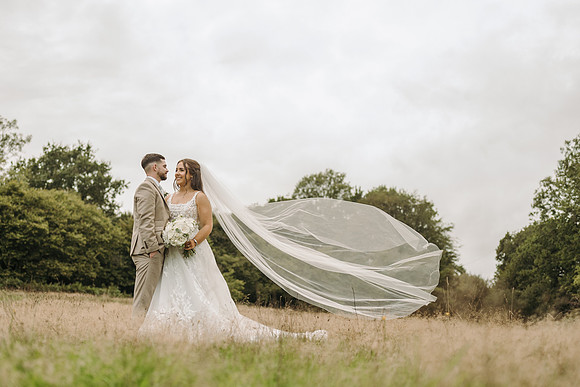





Wedding photography and Videography in South Wales covers your local area
from Cardiff to Swansea, Bridgend to the Gower and Brecon to Abergavenny,
and the rest of the UK, including a destination wedding photographer.