
Documentary Wedding Photography and the Moments That MatterDocumentary Wedding Photography and the Moments That Matter
The most meaningful wedding photographs often happen when nobody is asked to perform. A documentary approach to wedding ceremonies captures events as they unfold, without staging moments or directing people into poses. The result is a record of the vows, guests’ reactions and the small, genuine exchanges that make the day yours. It’s natural to want photographs that feel beautiful but also honest: images that bring back not only how the ceremony looked, but how it felt to be there. Documentary photography leaves room for unplanned moments, allowing the story to emerge through real expressions and interactions. Here, you’ll learn what documentary wedding photography involves and how a photographer can work quietly through the ceremony, notice the moments that matter and capture the connections around you. We’ll also explore how candid storytelling can sit alongside relaxed portraits, so your photographs reflect both the atmosphere of the day and the people at its heart. Key Takeaways
Table of Contents
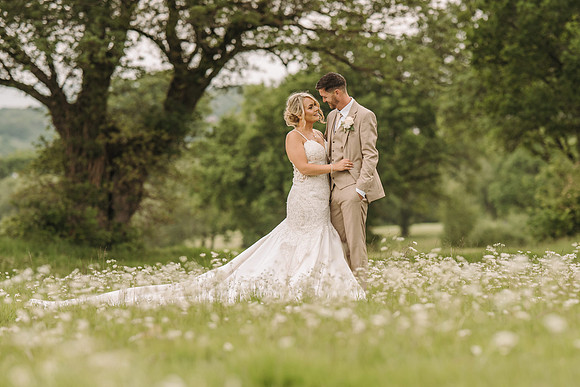
What is Documentary Wedding Photography?Documentary wedding photography records real events as they unfold instead of arranging every scene. The images build a story from the ceremony, the guests and the changing atmosphere. Storytelling Instead of StagingDocumentary photography tells a wedding story through observed moments, without asking people to recreate or pose them. A documentary approach to wedding ceremonies might capture one partner’s expression during the vows, a relative’s reaction and the couple’s first moments together afterwards. That sequence matters because the story belongs to everyone present, not only the couple. Instead of interrupting an embrace to find a better angle, the photographer can preserve its natural timing. Details such as rings or flowers set the scene, while candid photographs show the feelings surrounding them. Documentary, Editorial, and Traditional StylesDocumentary photography observes events, editorial photography shapes scenes through composition and light, and traditional wedding photography directs people into chosen poses. Each approach gives the finished collection a different character: an unplanned exchange, a carefully composed portrait or a formal family photograph. Editorial images can use a venue’s architecture and lighting to create a considered portrait, while documentary images preserve spontaneous expressions. Traditional direction can help organise a group photograph; documentary work then follows guests as they return to conversation. A wedding photography collection can bring these approaches together, rather than treating them as competing choices. For UK ceremony photography and filming, the UK Government says a photographer or videographer is allowed in the room. Couples who don’t want guests taking photographs can ask the registrar to make an announcement beforehand. Reportage and Photojournalism TerminologyDocumentary, reportage and photojournalism are often used to describe wedding photography that records events as they happen. These terms share an emphasis on observation, genuine moments and stories shaped by real interactions rather than staged action. When choosing a documentary wedding photographer in the UK, look for portfolio images that feel honest and include real, imperfect moments. Notice whether the photographs show guests’ reactions as well as the couple, and whether the sequence conveys how the day unfolded. The photographer’s style should feel comfortable to you. Meaning and Roots of the ApproachWedding documentary photography draws on photojournalism, which captures real situations instead of staging them. It applies that observational approach to a wedding, following the day from quiet anticipation to the emotion of the ceremony and the energy of the dance floor. Its main advantage is a personal visual record, including fleeting expressions and connections that posed photographs may miss. Because the photographer doesn’t direct every moment, a particular image or reaction can’t be arranged on demand. The result may include unpolished details, but those can be part of an honest, timeless account. Combining candid storytelling with stylised portraitsA wedding gallery can hold both unplanned emotion and carefully composed portraits. Documentary coverage follows the day’s natural rhythm, while brief direction can create photographs of you together, your families and the people closest to you. The balance depends on what matters to you: a spontaneous laugh during drinks tells one part of the story; a relaxed portrait offers another way to remember who shared it. Couple portraits needn’t take over the day. Most couples need 15-25 minutes for them, leaving much of the celebration free for conversation and candid coverage. During that time, a photographer can offer light prompts, such as walking together or turning towards one another, rather than prescribing every expression. The camera records your response, so affection and amusement can appear naturally within a composed frame. Formal photographs can fit without making the whole wedding feel staged. A planned family group photograph preserves a particular combination of relatives, while documentary images capture how those people interact before and afterwards. A short list of important group combinations helps the photographer organise this part calmly. Once the formal images are done, attention can return to the atmosphere, conversations and small gestures unfolding around you. Natural portraits can make use of the venue’s light and surroundings. A window, shaded garden or distinctive stone wall can add shape and context without turning the image into a performance. Golden-hour light may create a softer look, but its timing changes with the season, weather and schedule. A useful portrait plan fits the light around the celebration, rather than keeping you away from guests for too long. Brief guidance can make portraits easier, especially if you feel awkward in front of a camera. Simple direction might suggest where to stand or invite you to walk and talk, then leave room for your own movement. The photographer can step back as the interaction becomes genuine. This avoids the pressure of holding a fixed pose while still giving the final photographs a considered composition. The result can feel both personal and complete: an album with formal family photographs, relaxed couple portraits and candid moments between them. If you’d like to feel more at ease before the wedding, a portrait photography session offers a chance to experience being photographed in a less formal setting. That familiarity can help you settle into the camera on the day. Anticipating vows, ring exchanges and guest reactionsDuring a ceremony, the photographer watches events and expressions develop without interrupting them. This quiet attention helps preserve the atmosphere around the vows, rings and shared reactions. Anticipating Ceremony MomentsAnticipation means recognising when an important moment is approaching and being ready to photograph it. As the couple exchange rings, the photographer can watch their hands and faces, then notice a parent’s response nearby. Those connected images show the ceremony from more than one perspective, bringing the couple’s experience and guests’ emotions into the same story. Vows also bring changing expressions: a smile, a pause, or a tearful glance. A documentary photographer observes these cues and the celebrant’s words, rather than asking anyone to repeat a reaction. The resulting photographs can feel beautifully moving because they preserve the timing and atmosphere that made the moment personal. Henri Cartier-Bresson described a decisive moment as a fraction of a second when everything aligns in a photograph. At a wedding, that might be the instant the rings meet, followed by a guest’s joyful expression. Capturing both takes awareness of the ceremony’s flow, not a staged interruption. Discreet Observation and TimingDiscreet observation means working quietly and choosing positions that let the ceremony continue naturally. A photographer can anticipate where the couple will stand, then frame the ring exchange without stepping into guests’ view. This matters because a moving camera or unnecessary direction can draw attention away from the vows and alter the room’s atmosphere. Good timing means watching what happens immediately before and after a central gesture. As the celebrant introduces the ring exchange, the photographer can prepare to capture the couple’s hands and expressions, along with a parent’s response. A sequence can then show the moment’s beginning, middle and end, rather than isolating a photograph from its context. Guests contribute their own part of the story. A quiet glance between relatives, a friend wiping away tears, or laughter after a heartfelt line can reveal the ceremony’s wider feeling. Documentary photography records these reactions without asking guests to perform. A wedding photography approach that gives the ceremony room to unfold can preserve those genuine exchanges alongside the couple’s defining moments. Candid interactions after the ceremonyAfter the ceremony, attention shifts from formal proceedings to the way guests reconnect. A documentary photographer can capture congratulations, embraces and shared laughter as they happen, preserving the warmth between planned parts of the day. To encourage natural photographs, leave time after the ceremony for guests to greet you before gathering everyone for formal pictures. Share important family group combinations in advance so these photographs can be organised without disrupting the celebration. You can also let guests know whether you’d prefer them to stay present rather than take their own pictures. The first moments outside the ceremony room often hold telling details. One guest may reach for your hand; another may lean in for a quiet word. Friends standing together might laugh about something only they share. These exchanges show relationships in context, with the venue, flowers and other guests forming part of the background. Candid photographs are made informally, often without the subject noticing at that moment. That doesn’t mean the photographer ignores people’s comfort. A sensitive approach means observing from a respectful distance, moving quietly and avoiding instructions that would turn an affectionate greeting into a staged scene. The aim is to capture genuine interaction, not make guests feel watched or posed. Drinks and conversation create another natural chapter. As relatives introduce themselves, friends catch up or guests raise a glass, the photographer can look for moments that connect people across the day. A sequence might show a warm greeting, the laughter that follows and the wider group sharing the conversation. Together, these frames add context to the story instead of presenting isolated smiles. Unposed photographs can include imperfect details: wind lifting a veil, a coat carried over one arm or a child stepping into a hug. These elements can make an image feel like a memory, not a performance. Documentary coverage doesn’t mean every frame must be spontaneous; it leaves room for real life between planned portraits and formal gatherings. If you want candid images, make space for genuine interaction rather than planning every reaction. Keep the post-ceremony schedule flexible enough for greetings and conversation, and tell the photographer which relationships or moments matter most. For example, mention a grandparent reuniting with relatives or a friend travelling to celebrate with you. That context helps the photographer recognise meaningful exchanges as the day unfolds. Documentary coverage throughout the wedding dayDocumentary coverage follows the day’s changing rhythm, from preparations to the final dancing. Rather than treating the ceremony as a complete story, it records how each part connects: a quiet moment before guests arrive, the ceremony, conversations afterwards and the energy of the reception. Those images can make the finished collection feel like a continuous account of your wedding. During preparations, details gain meaning through their setting. A dress hanging near a window, hands fastening a button or friends sharing a joke can show both the surroundings and the anticipation. The photographer observes what happens instead of arranging every interaction. As the morning progresses, photographs can move naturally from still details to people and their connections. At the ceremony, a photographer can record the arrival, vows and exchange of rings without changing the event’s flow. The UK Government says a photographer or videographer is allowed in the room to photograph or record the ceremony. Quiet positioning and careful movement help keep attention on the couple, while composition can include guests’ faces and the ceremony space. Afterwards, the reception brings a different pace and lighting. Natural light may shift as the day moves indoors or towards evening, so the photographer adapts to the conditions. A wide view can establish the room, tables and gathering; closer images can follow a conversation, a toast or a shared laugh. Together, these perspectives connect the setting with individual interactions. Dance-floor coverage has its own visual rhythm. Movement, changing light and groups entering or leaving the floor all shape the images. A photographer may use a slower shutter speed or off-camera flash to convey motion and atmosphere. The aim is to show the night as it felt, from the first dance to friends celebrating, rather than making every frame look identical. Sequences help show how a moment develops. Photographs might show guests gathering for a speech, listening as someone begins, then reacting to a funny line. This beginning, middle and end give the images context. Across preparations, ceremony and reception, changing compositions can move between a wide scene and a close expression, preserving both the occasion and its people. A clear timeline gives the photographer a sense of when key events are planned while leaving room for unscripted moments. Sharing important timings and meaningful relationships helps the coverage reflect your priorities. The day can then unfold naturally, with portraits and formal moments alongside the interactions that happen between them. One Vision Photography | South Wales Wedding PhotographerOne Vision Photography | South Wales Wedding Photographer brings documentary storytelling and classic portraiture together, helping couples nationwide preserve genuine interactions and considered images of their loved ones. This balance suits those who want their wedding story to feel natural, while still including portraits that reflect their connection and family relationships. Offering both wedding photography and videography, the team captures the day through still images and moving footage nationwide, from ceremony moments to the atmosphere around them. Engagement photoshoots and portrait photography also offer a chance to become more comfortable in front of the camera before the wedding. Contact One Vision Photography to talk about documenting your day, wherever it takes place. Make Space for Your Wedding StoryAs you plan your day, think about what you’ll want to remember beyond the formal moments. Perhaps it’s your family’s response to the vows, a friend’s laughter during the reception or the feeling of being together once the schedule relaxes. Sharing those priorities helps shape a documentary approach to wedding ceremonies around the people and moments that matter to you. One Vision Photography | South Wales Wedding Photographer offers Wedding Photography Packages, Wedding Videography Services and Engagement Photoshoots. An engagement session can also give you a relaxed opportunity to become familiar with being photographed before your wedding day. Choose the kind of record that feels right for you, whether that’s still images, moving footage or both. Your wedding story doesn’t need a script to become meaningful. Let the day feel like yours and leave room for the real connections that make it memorable. Contact One Vision Photography | South Wales Wedding Photographer Frequently Asked QuestionsWhat About Group Photos?Group photos can sit comfortably alongside documentary coverage. Decide which combinations matter most, such as immediate family together, siblings with partners or a photograph including grandparents. A short, prioritised group list helps keep this part organised and avoids trying to gather every possible combination. You can leave the rest of the gathering unscripted, giving friends and relatives space to mingle naturally. What does that look like?A gallery can move between planned images and unprompted moments. For example, a composed photograph of the couple with close family might be followed by images of guests greeting one another. The overall effect doesn’t depend on every image being spontaneous. Instead, the photographs offer variety while keeping the day’s real relationships and atmosphere at the centre. Why Blend Documentary with Editorial?Blending the two approaches gives your gallery both atmosphere and visual polish. Documentary images preserve interactions as they happen, while editorial framing can make thoughtful use of a venue’s architecture, light or surroundings. This suits couples who value candid memories but also want portraits with a considered composition. The balance is personal: neither style needs to dominate every part of the day. What is a documentary-style wedding ceremony?It’s a ceremony photographed through observation rather than staged scenes. The photographer records real gestures and expressions while remaining attentive to the couple, guests and setting. The term describes the photographer’s approach, not a different kind of ceremony. Your vows and celebrations follow your plans; the images reflect what naturally happens around them. How does documentary wedding photography differ from traditional wedding photography?Traditional photography usually involves more direction, especially for portraits and family arrangements. Documentary photography puts more emphasis on observing interactions as they unfold. If you prefer clear guidance for formal images, a photographer can combine directed portraits with candid coverage. The main difference is how much of the day is shaped for the camera, so consider which balance feels comfortable to you. What happens during a documentary-style wedding ceremony?The ceremony proceeds according to your arrangements while the photographer observes from carefully chosen positions. They may follow the entrance, exchange of rings and signing, where applicable, then notice how guests respond. The photographer won’t ask you to repeat a moment for the camera. The exact sequence depends on your ceremony plans and what happens naturally. How much does documentary wedding photography cost in the UK?UK wedding photography costs vary with the coverage required, date, travel and whether you want photography alone or video as well. For One Vision Photography, request a quote based on your plans. A quote gives you a clearer view of the options for your wedding, without relying on an industry-wide average that may not reflect your requirements. How can photographers capture a ceremony discreetly without disrupting it?The photographer can plan a position around the ceremony layout, avoid unnecessary movement and use available light where it suits the room. Beforehand, sharing important restrictions or sensitive moments helps them work thoughtfully. Guests can also be encouraged to stay present rather than raise phones throughout the ceremony; the UK Government says couples may ask the registrar to announce this beforehand.
Keywords:
approach,
candid,
ceremonies,
ceremony,
documentary,
one,
photographer,
photographic,
photography,
photos,
portraits,
relaxed,
South,
storytelling,
to,
video,
videographer,
videography,
vision,
wales,
wedding,
weddings

Comments
No comments posted.
Loading...
|
Thank you for taking the time to view our South Wales Wedding Photographer Journal here at One Vision Photography. We hope you enjoy our wedding photography and videography. Feel free to leave a comment below — your support genuinely means the world to us. Wedding PhotographyWedding VideographyDestination Wedding PhotographerPortrait PhotographerWe cover all areas of South Wales, the UK, Europe and the rest of the world. Wedding PhotographerWedding VideographerTHANK YOU
Collaborate & Write for Our BlogWe love working with wedding professionals, creative businesses, and storytellers who want to share their expertise and be featured on our website. If you’d like to write a guest post or SEO article and gain a backlink to your website, please get in touch with us first before submitting any content. There is a small fee for this service, which varies depending on the length of the article, the SEO optimisation level, and the type of feature you’re looking for. We’re always on the lookout for engaging, high-quality content that inspires couples, supports the wedding community, and adds genuine value to our readers.
|





Wedding photography and Videography in South Wales covers your local area
from Cardiff to Swansea, Bridgend to the Gower and Brecon to Abergavenny,
and the rest of the UK, including a destination wedding photographer.