
The Art of Wedding Storytelling Through Details and MomentsThe Art of Wedding Storytelling Through Details and Moments
The most memorable wedding photographs do more than show big moments. They connect meaningful details, genuine interactions and the setting in a story with a natural beginning and end. The art of wedding storytelling is about noticing what matters to you, anticipating moments as they unfold and choosing images that lead naturally from one scene to the next. A family heirloom, a quiet exchange during preparations and the atmosphere of your venue can all reveal something about the people behind the celebration. Thoughtful details can make your wedding feel personal, but their meaning comes through in how they connect to your story. This article explores ways to bring those connections into your photographs: sharing your background before the wedding, capturing the small moments of preparation, using the surroundings to add context and sequencing images to reflect the day’s emotional arc. The result is a personal record that helps you revisit not only what happened, but how it felt to be there. Key Takeaways
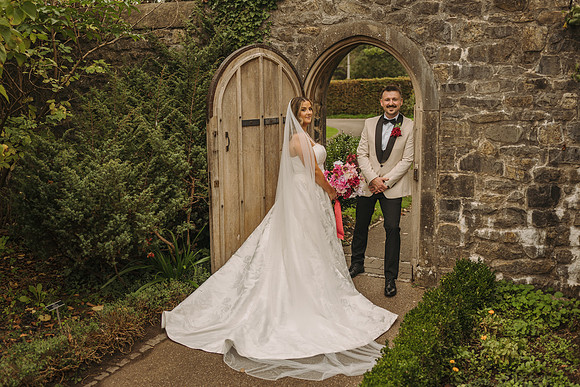
1. Using wedding details to build a visual narrativeStart with details that matter to you, and photograph them in context. A family crest on an invitation, a significant flower or colours inspired by a place you love can connect the celebration to your shared history. These touches do not need to dominate the room. A small motif repeated on stationery and table cards can create a visual thread that guests notice as the day unfolds. Flowers and stationery offer more than attractive close-ups. Pair a photograph of the bouquet with the person who chose its blooms, or show handwritten place cards as guests find their seats. Menu calligraphy, heirloom jewellery and the texture of a gown each contribute a different detail. Together, they reveal choices and relationships, not just what was present. Think about how these details can recur throughout the story. Invitations photographed before the ceremony can introduce the celebration; a close view of flowers being adjusted adds movement and anticipation. Later, the same arrangements might appear behind guests sharing a meal. This visual return connects the narrative while showing how the space changes as people fill it. Give the venue its own place in the story. An establishing image of a country house, coastal view or Welsh chapel gives viewers a sense of the setting before closer photographs reveal the décor. Include architecture, landscape and floral installations when they help convey the atmosphere. A table setting shown in its surroundings can express the design more fully than an isolated detail. Layer people and objects in the same frame to connect them. You might photograph a parent fastening heirloom jewellery, with the wedding outfit visible nearby. Or place guests in the foreground, with a floral display and reception room behind them. These compositions give details a human context, preserving both the objects and the people who value them. Documentary photography follows events as they happen, while editorial photography shapes scenes through deliberate styling. Traditional photography often centres on familiar milestones, such as the first kiss, cake cutting and first dance. Each approach can contribute to a wedding narrative. The right balance depends on whether spontaneous interactions, composed images or classic moments matter most to you. For privacy and permissions in the UK, treat taking, sharing and publishing photographs as separate decisions. Let guests know that photography or filming will take place, agree on intended image use with the couple, follow venue rules for access and photography, and respect requests not to be photographed. Photographers tell a story by connecting details, people and moments, rather than treating every image in isolation. A bouquet, a room filling with guests and a shared glance can build a visual narrative when each photograph adds context or feeling. 2. Anticipating moments during wedding preparationsPreparation photographs capture the quiet build-up before the ceremony. A wedding dress waiting near a window, for example, can convey anticipation before anyone puts it on. Look beyond objects to the people nearby: a sibling fastening a button or a friend sharing a last-minute laugh can reveal the relationships around the couple. These small scenes add emotional context to the formal events that follow. Fleeting expressions often change within seconds, so keep photographing through a moment rather than stopping after one frame. A sequence of 20 to 25 photographs can offer more chances to capture changing expressions and stronger composition. By contrast, four to five shots may pass too quickly to record a brief smile, a tear or a reassuring glance. The aim isn’t to photograph every movement, but to stay ready as the feeling shifts. Before preparations begin, identify the people and interactions that matter to you. If a grandparent is helping with a family heirloom, make room for both the close detail and their shared expression. If friends are helping with buttonholes, notice the conversation as well as the finished arrangement. These moments create a record of connection, not simply a sequence of tasks. A documentary approach lets the day unfold naturally and makes room for unscripted reactions. During preparations, that might mean photographing a spontaneous embrace instead of asking everyone to repeat it. Candid images can preserve genuine emotions that posed portraits may not show. A photographer can anticipate likely interactions, such as a parent seeing the finished outfit, without directing the reaction itself. Pay attention to transitions. When the final preparations end, notice the moment someone takes a breath, checks a bouquet or steps towards the ceremony. A photograph of the dress beforehand can establish anticipation; the next might show the person wearing it, surrounded by family. This progression gives the images a sense of movement, keeping people, rather than a checklist, at the centre. What are the key moments to capture in a wedding story? Include preparations, the ceremony entrance, first kiss, cake cutting and first dance, alongside personal interactions that reveal your relationships. A parent’s expression or friends comforting each other can matter as much as a traditional milestone. For natural preparation photographs, share who is important to you and what interactions you hope to remember. Then allow space for spontaneous moments between those priorities. Thoughtful wedding photography coverage can keep those changing expressions and connections together as part of your day’s story. 3. Pre-wedding consultations and learning the couple’s storyA useful pre-wedding conversation goes beyond confirming the venue and schedule. Talk about the memories, family rituals, traditions and shared interests that matter to you. A couple who met through a local music group, for example, might want its influence reflected in the day’s soundtrack. These details help shape photographs around your character, rather than a generic idea of romance. Bring specific examples to the conversation. You might mention a relative who always leads a family celebration, a tradition you hope to continue or a favourite place you visit together. Explain why each matters. This gives the photographer a clearer sense of the people and relationships to notice, and helps bring moments to the fore that might otherwise pass unnoticed during a busy wedding day. Music and entertainment can carry your story into the celebration. If a song connects to your first meeting, tell the photographer when it will play and who might react. A photograph of you sharing a look as it begins may mean more than a general image of the dance floor. You could also explain why a particular musician, playlist or after-party choice feels personal. Feeling nervous in front of a camera is common if you rarely pose together. Agree on simple prompts rather than fixed expressions: walk side by side, talk about a favourite shared memory or tell each other a private joke. A genuine smile can follow naturally. Discussing these approaches beforehand helps the photographer choose settings and direction that feel comfortable. Keep portraits relaxed by treating them as a pause, not a performance. The photographer’s recommendation is to keep couple portraits to no more than 20 minutes, leaving more of the day for guests and celebrations. Use that time for a short walk or a quiet moment together. If a posed image feels stiff, a small prompt, such as whispering what you appreciate about each other, can bring warmth back into the frame. What questions should couples ask when choosing a wedding storyteller? Ask how they get to know your relationship, adapt portraits to your personalities and balance planned photographs with spontaneous moments. Discuss the family traditions, music and emotional touchpoints you want documented, too, so you can agree on what matters. A consultation works best as an exchange, not a checklist. Share what excites you, what might make you nervous and which elements should feel unmistakably yours. Then discuss how those details can guide the photographs, from a quiet exchange during preparations to a lively moment when your chosen song brings friends together. 4. Composition and storytelling with backgroundsA background gives a wedding photograph context, not just decoration. During the ceremony, a view of guests behind the couple can show who shared the moment. Framing the couple against a stone arch can also connect their vows to the building’s character. Choose a position where the surroundings add meaning without competing with the people. Wide-angle framing can include both a couple and the energy around them. A 24-35mm lens is recommended for getting close while showing the environment; a 35mm lens can include nearby guests and activity. For example, photograph a newly married couple greeting friends, keeping their expressions prominent while the gathering remains visible behind them. Distance changes the story. Stand too far away and the couple can get lost in the scene; move closer and their connection becomes clearer. Before taking a photograph, decide what should draw the viewer’s eye: a shared glance, a family member’s reaction or a recognisable setting. Then adjust your position to include enough background to support that choice. Look for clean lines and natural frames. A doorway, window or row of chairs can guide attention towards the ceremony without adding props. Check the edges of the frame for distractions, such as an exit sign behind someone’s face or a bright bag beside the couple. A small change of angle can clear away clutter while keeping the scene natural. Light and backdrop can be arranged without scripting every interaction. For a portrait beneath a tree, choose open shade and position the couple where the foliage creates a calm background. Invite them to talk or walk together, then capture a candid moment in that considered setting. The image feels beautiful and intentional, while their expressions and movement remain their own. Use foreground elements to create depth. Photograph through a doorway as guests take their seats, or include blurred shoulders at the edge of the frame while the couple greets family. These layers place the viewer within the celebration and make the image feel observed rather than detached. Keep faces clear and make sure the foreground does not hide an important gesture. For a practical composition check, identify the subject, scan the background, then take a step sideways or closer. At a ceremony, that adjustment might replace a crowded wall with a simple aisle view. In a reception portrait, it might bring friends into the frame. The art of wedding storytelling through composition lies in choosing what surrounds each moment, so setting, people and feeling work together. 5. Sequencing images to reflect the flow of the dayA wedding story needs a beginning, a build-up, emotional peaks and a close. Start with images that establish the morning, such as a quiet room before guests arrive or preparations taking shape. Then move towards the ceremony, where anticipation grows. This order gives viewers a sense of time and helps each photograph lead into the next. Use transitions to move the story forward. A photograph of guests leaving the ceremony can lead into the couple’s entrance at the reception. A close detail of a floral arrangement might sit beside a wider image of the room filled with friends. Alternating close and wide frames creates rhythm and shows how the celebration changes as people gather. Sequence emotional moments with care. Place a parent’s reaction near the ceremony entrance, or follow the vows with the couple’s first moments together afterwards. These pairings give expressions and gestures context. They help the viewer sense what happened just before and after a key moment, rather than seeing an isolated highlight. Not every photograph needs to show a milestone. A short sequence of guests talking, children moving between tables and friends laughing at the reception can reveal the character of the celebration. Include what was happening behind the main events, such as a musician preparing or a relative watching from the edge of the room. These supporting images add texture and continuity. For a satisfying close, choose an image that feels like an ending, not simply the last photograph taken. It might show the couple sharing a quiet moment after dancing, guests waving goodbye or the reception space settling after the party. Returning to a visual element from the beginning, such as the venue or a floral detail, can connect the final frame to the opening. How do wedding videographers create a compelling wedding film? They shape recorded moments into a clear arc, combining preparations, vows, speeches and reception celebrations. Natural sound, spoken words and music can connect these scenes, while deliberate pacing gives emotional moments room to land. When reviewing a set of images, arrange them in the order the day unfolded, then look for gaps, repeated moments and abrupt changes. Keep photographs that add context, emotion or a fresh perspective. This approach makes the collection feel like your story, with a beginning, momentum and a meaningful finish. Wedding storytelling means selecting and sequencing photographs to carry the day’s arc. Treat each image as part of that movement: it earns its place when it establishes the opening, builds anticipation, deepens an emotional peak or brings the account towards its conclusion. A cohesive wedding story moves from a beginning through rising anticipation and emotional peaks to a conclusion. As a final check, consider whether the sequence moves naturally between these stages and whether its ending connects to the images that came before. Focus on how the photographs work together, rather than expecting each frame to carry the whole story alone. Thoughtful selection gives viewers a clear sense of the day’s progression and a satisfying finish. One Vision Photography | South Wales Wedding Photographer: Wedding Photography PackagesOne Vision Photography | South Wales Wedding Photographer can bring the moments, relationships and details you value into a connected wedding story. Its wedding photography blends documentary-style storytelling with classic portraiture, balancing genuine interactions with considered images of you together. If you’d like both still images and a moving record of your day, wedding photography and videography can capture complementary parts of the celebration. An engagement photoshoot can help you feel more at ease in front of the camera before the wedding, while portrait photography offers another way to preserve meaningful moments. When you’re ready to discuss how your story could shape the photographs, contact One Vision Photography | South Wales Wedding Photographer. Let Your Wedding Story Feel Like YouYour photographs can become more than a record of the day. They can hold the way your family gathers, the details you chose with care and the moments that feel unmistakably yours. The art of wedding storytelling starts with recognising what you want to remember, then making room for those personal threads to emerge naturally throughout your celebration. As you plan, think about what you’d love to revisit years from now. It might be a familiar song, a shared glance before the ceremony or the feeling of seeing everyone you love together. Sharing these thoughts with your photographer can help shape a record that feels personal rather than posed, with images that carry your story beyond the day. One Vision Photography | South Wales Wedding Photographer offers wedding photography packages, wedding videography and engagement photoshoots to document meaningful chapters of your story. Your day will be uniquely yours. Let its photographs hold that feeling for years to come. Frequently Asked QuestionsWhat is wedding storytelling and what makes it effective?Wedding storytelling creates a visual record that helps viewers understand not only what happened, but why certain moments mattered. It works when photographs feel specific to the people involved and reveal connections, reactions and changes in mood. For example, a series might show a couple’s different perspectives on the same moment, allowing their shared experience to emerge naturally. The art of wedding storytelling depends on thoughtful choices, not simply a large collection of images. How can couples plan a wedding timeline for storytelling photography?Plan coverage to move from preparations and rising anticipation through the ceremony and emotional peaks, then towards a satisfying close. Share the schedule, important people, traditions and interactions with the photographer so they can anticipate transitions and meaningful moments. What are common wedding storytelling mistakes and how can couples avoid them?Avoid treating details as isolated objects, relying only on posed portraits or photographing for too short a time to catch changing expressions. Share what matters to you, include people and surroundings for context, and let spontaneous interactions unfold alongside traditional milestones.
Keywords:
art,
business,
candid,
day,
details,
meaningful,
moments,
of,
photo,
photographer,
photographic,
photography,
sequence,
Services,
storytelling,
the,
video,
videographer,
videography,
vision,
wales,
wedding,
weddings

Comments
No comments posted.
Loading...
|
Thank you for taking the time to view our South Wales Wedding Photographer Journal here at One Vision Photography. We hope you enjoy our wedding photography and videography. Feel free to leave a comment below — your support genuinely means the world to us. Wedding PhotographyWedding VideographyDestination Wedding PhotographerPortrait PhotographerWe cover all areas of South Wales, the UK, Europe and the rest of the world. Wedding PhotographerWedding VideographerTHANK YOU
Collaborate & Write for Our BlogWe love working with wedding professionals, creative businesses, and storytellers who want to share their expertise and be featured on our website. If you’d like to write a guest post or SEO article and gain a backlink to your website, please get in touch with us first before submitting any content. There is a small fee for this service, which varies depending on the length of the article, the SEO optimisation level, and the type of feature you’re looking for. We’re always on the lookout for engaging, high-quality content that inspires couples, supports the wedding community, and adds genuine value to our readers.
|





Wedding photography and Videography in South Wales covers your local area
from Cardiff to Swansea, Bridgend to the Gower and Brecon to Abergavenny,
and the rest of the UK, including a destination wedding photographer.