
Wedding photos that don't look posed, with relaxed portraitsWedding photos that don't look posed, with relaxed portraits
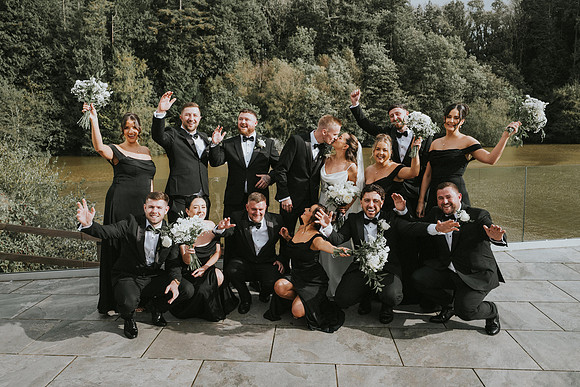
You can have wedding photos that don't look posed without spending the day being told where to stand. They come from a documentary approach that captures real moments as they unfold, alongside relaxed couple portraits that feel like you. Natural couple portraits can take around 15–30 minutes, depending on the location and grounds to cover. If being in front of a camera makes you feel awkward, you’re not alone. Your wedding photographs don’t have to feel like a performance. Gentle guidance can help you feel at ease without making the moments seem staged. Discover what natural-looking portraits involve, why a relaxed approach can make photography feel like part of your day, and practical ways to feel more comfortable if you’re camera-shy. We’ll also look at documentary-style photography, where laughter, glances and small in-between moments help tell the story as it felt. Key Takeaways
1. Relaxed couple portrait sessionsFor wedding photos that don’t look posed, couple portraits can feel like a quiet pause rather than a formal performance. Instead of holding a fixed position, you might walk together, talk about the ceremony or share a laugh. Those small interactions give the photographer moments to capture while you focus on each other. Natural posing can include gentle direction, but it shouldn’t make you feel as though you’re acting out someone else’s idea of a wedding. Set aside around 15 minutes for photographs around your wedding venue. Natural couple portraits can take 15–30 minutes, depending on the location and grounds to cover; a portrait session usually takes around 20 minutes, depending on the venue and your comfort. These are practical guides, not a requirement to spend every minute posing. A short walk between nearby spots can create variety without making the portraits feel like a long interruption. Couple portraits are usually scheduled between the ceremony and the meal, with the timing shaped by your venue, the weather and the day’s schedule. In summer, the golden-hour window just before sunset lasts about 45 minutes and can suit portraits beautifully. It doesn’t mean you need to be away for that whole period. An optional evening-light session may take about 10 minutes, depending on the season and schedule, offering another chance for photographs in softer light. If being photographed feels uncomfortable, agree on simple prompts rather than a sequence of poses. You could walk side by side, pause to look at the view or tell each other what you enjoyed most about the ceremony. A photographer doesn’t need to dictate exactly how you stand or where you put your hands, unless something looks awkward in the frame. That leaves room for natural gestures, with small adjustments to help you feel more at ease. Camera confidence can grow through familiar, low-pressure practice. Try taking a couple of selfies each month, perhaps during a favourite walk or an ordinary evening together. You’ll get used to seeing yourselves in photographs without turning it into a formal exercise. An engagement shoot usually takes around 45 minutes, giving you time to experience the camera before the wedding. You can use it to find out which gentle prompts feel comfortable and which make you feel self-conscious. On the day, choose a nearby spot where you can talk and move naturally. Tell your photographer if you’d prefer fewer instructions or if a particular pose feels awkward. A relaxed session can include some direction, quiet pauses and genuine laughter. The aim is to capture your connection, not perfect every movement. 2. What are non-posey wedding portraits?Natural-looking portraits combine a little direction with movement, expression and connection. You might stand together for a photograph, then turn towards each other or walk while chatting. The result still feels considered, but the gestures are personal rather than copied from a template. A natural-looking portrait isn’t about avoiding all direction; it’s about guidance that doesn’t overwhelm your character. To compare UK wedding photographers, look through complete wedding galleries, not only a handful of favourite images. Notice whether couples look comfortable across different settings, from the ceremony to time with friends. Look for varied expressions and interactions, not just matching poses repeated at each venue. A portfolio that shows both portraits and candid moments also helps you understand how the photographer balances gentle direction with observation. Small posture adjustments can help without making a portrait feel rigid. Stand comfortably, keep a slight bend in your elbows and bring them gently towards your back rather than pushing them out to the sides. Once settled, relax your neck, shoulders and jaw. If the camera angle feels uncomfortable, your photographer may suggest bringing your face slightly nearer the camera while keeping your body and shoulders in place. Natural smiles often come from interaction, not an instruction to “smile”. Think of something that genuinely makes you laugh, such as a shared memory or an amusing moment from the day. You could also look at each other and exchange a few words while the photographer captures the expression that follows. This gives your attention somewhere real to go, instead of asking you to hold a grin for the camera. If you’re worried about looking awkward, choose one simple action and let it guide the portrait. Hold hands while walking, lean in to hear a quiet comment or pause together beside a window. You don’t need to know what to do with every hand or facial expression. A gentle adjustment can help if something looks uncomfortable, while relaxed shoulders and natural conversation keep the image feeling like you. Before the wedding, share examples of portraits that feel like your relationship, then explain what appeals to you: the movement, light, closeness or unforced expression. That gives a photographer useful direction without asking you to recreate another couple’s exact pose. If you’re drawn to candid storytelling alongside relaxed portraits, explore documentary-led wedding photography to see how those moments can sit together in a wedding gallery. 3. Benefits of a relaxed photography approachA relaxed approach lets you stay present instead of monitoring every movement for the camera. During the ceremony, for example, focus on your partner’s expression as you exchange vows. The photographer can capture that shared attention without interrupting the moment. Later, a glance across the room or a squeeze of the hand can become part of the story. These small details matter because they belong to your day, not a performance. Less direction can ease the pressure of being photographed. If you feel uncomfortable holding a fixed smile, turn towards your partner, speak quietly or take a few steps together. Those actions give you something natural to focus on. The photographer can respond to the interaction rather than asking you to repeat a pose. You’re still being photographed, but it can feel more like sharing a moment than following instructions. A relaxed approach benefits your guests, too. At the drinks reception, friends and family can talk, laugh and catch up while photographs capture their connections. Rather than interrupting every conversation to arrange a scene, the photographer can notice a warm greeting or a relative sharing a story. The images show more than who attended; they help bring back the atmosphere and relationships that made the gathering yours. A relaxed plan can make formal family photographs feel smoother without removing them. Before the wedding, write a short list of essential group combinations, such as both families together or grandparents with the couple. Keep the group-shot list to a maximum of 10 minutes and include as few shots as possible. A clear list helps everyone know where to go next, while leaving more of the day for conversation, food and spontaneous moments. There’s also value in seeing the day as a connected story rather than a collection of separate poses. The quiet anticipation before the ceremony, a joyful greeting afterwards and the first dance each carry a different feeling. When photography doesn’t repeatedly interrupt those transitions, the images can preserve the day’s natural rhythm. Later, details such as a friend’s delighted reaction or a family member’s embrace can help you remember how it all felt. To make this approach work for you, decide what matters most before the wedding. Tell your photographer which family groupings are essential, whether you prefer light direction during portraits, and which moments you’d rather enjoy without interruption. These preferences create a practical framework. Your photographer can balance the images you want with room for real interactions, so the finished record feels personal rather than overly arranged. 4. Making photography fun for camera-shy peopleIf the camera makes you tense, tell your photographer what feels difficult before the wedding. You might say you dislike being watched, feel unsure about your smile or find silence awkward. That gives them a practical starting point. Agree on a simple cue, such as a quiet reminder to breathe or a short pause when you need one. Clear preferences help shape a more comfortable experience. Give yourself something enjoyable to do instead of concentrating on the camera. During a portrait, walk with your partner and talk about a favourite shared memory. If you both enjoy music, chat about the song you chose for your first dance. These details bring your attention back to each other, helping the photographer capture a genuine expression rather than a smile held on command. Small tasks can also make your hands feel less awkward. Hold your partner’s hand, adjust a button, or link arms as you walk through the venue grounds. Choose actions that feel natural to you, rather than copying a pose from a photograph. If an instruction feels uncomfortable, say so plainly. A different position or a moment to move can make the portrait feel more like your relationship. Make the camera feel less mysterious by asking what to expect during a portrait session. For example, you could agree to begin with a few walking photographs before trying a still portrait. Knowing how the process unfolds can help you understand where to look and when a moment is finished. If reviewing images makes you self-conscious, you can also ask your photographer not to show the camera screen after every frame. Build in a playful pause that belongs to you both. Share a private joke, whisper something affectionate or recall a funny detail from the morning. If laughter feels too exposed, focus on a quiet exchange instead. The aim isn’t to manufacture a reaction, but to give yourselves a familiar point of connection while the photographer notices what follows. Choose an optional creative photograph if a playful idea appeals to you. A photographer’s signature photograph can take about five minutes, offering a brief chance to try something different without turning the session into a production. You might choose a dramatic doorway, a favourite view or a close-up of your hands together. Keep the idea personal, and leave it out if it adds pressure rather than enjoyment. Finally, plan a gentle reset for when nerves return. Take a breath, look at your partner and ask for a short walk or a quiet pause. That gives you a clear next step without having to perform confidence. The best photographs can come from being present together, not from pretending the camera isn’t there. 5. Documentary-style wedding photographyDocumentary wedding photography records the day as it unfolds, rather than repeatedly arranging moments for the camera. The photographer observes interactions and responds quickly, capturing your vows, a relative’s welcome or guests laughing together. This approach can help your images feel connected to real memories, including moments you might otherwise forget. In this approach, the photographer aims to spend 95% of the wedding day capturing documentary images. They aim to observe moments as they unfold rather than stage them. During the ceremony, they can photograph you exchanging vows without directing you. After the register is signed, they can capture you leaving and greeting guests. At the drinks reception, they step back to observe natural conversations; the first dance can also be photographed without interruption. Documentary, editorial and traditional photography each create a different feel. Documentary work prioritises unscripted moments, though it offers less control over exactly who appears in each frame. Editorial photography uses deliberate composition and direction for a polished, magazine-like finish. Traditional photography provides familiar posed portraits and formal groups, but can feel structured if you prefer spontaneous images. A blend can preserve candid storytelling while making room for portraits you value. To compare these styles, look at full wedding galleries rather than a few striking photographs. Follow one wedding from preparations through the ceremony and evening, noticing how consistently the photographer captures people and atmosphere. Ask yourself whether the images show genuine exchanges or mainly arranged scenes. A gallery with varied moments can show how documentary coverage works across a complete day, not just in a curated highlight. Ask the photographer how they capture candid moments without interrupting the ceremony, speeches or conversations. You can also ask how they balance observation with portraits and whether they can show a complete example of their approach. Their answers help you understand what “documentary” means in practice, including how much direction to expect when you want a particular photograph. For privacy, agree in advance how photographs may be used or shared, and tell your photographer about guests who should not be photographed. Make those preferences clear to relevant guests, too, so everyone understands the arrangements. Discussing this before the wedding gives the photographer useful guidance and keeps your wishes in the plan. Documentary coverage suits couples who want the day’s interactions to lead the story, while editorial or traditional portraits offer more deliberate images. A thoughtful combination can include both genuine moments as they happen and a small number of planned photographs that matter to you. One Vision Photography | South Wales Wedding Photographer: Wedding Photography PackagesOne Vision Photography | South Wales Wedding Photographer can help you preserve real moments alongside relaxed, thoughtfully guided portraits. Its wedding photography blends documentary-style storytelling with classic portraiture, keeping the focus on your day and the people who make it yours. If you’re planning a wedding and want photographs that feel personal rather than overly staged, Wedding Photography Packages are a natural next step. Engagement Photoshoots can help you get comfortable in front of the camera before the wedding. If you’d also like your story captured in moving images, Wedding Videography Services are another option. Contact One Vision Photography | South Wales Wedding Photographer to talk about the wedding photographs you hope to look back on. Shape a wedding story that feels like yoursYour wedding photographs should feel like a record of who you are together, not a version of yourselves arranged for someone else. As you plan, think about what you most want to recognise in the images years from now: your connection, the people around you or the atmosphere of the day. That priority can guide your choices about photography style and the moments that matter most. If you want wedding photos that don’t look posed, share your preferences openly. A short note about what helps you feel comfortable, what you’d rather avoid and which relationships matter to you gives your photographer a personal starting point. You don’t need a perfect plan; honest details can help shape photographs that feel true to your story. Trust that your wedding can be documented with warmth and individuality. The moments that feel most like you are worth remembering. Frequently Asked QuestionsGETTING MARRIED BUT DON’T LIKE POSING?You can have wedding photos that don’t look posed by choosing a photographer whose work feels natural to you. Tell them which situations make you self-conscious, such as looking directly into the camera or standing alone. Then agree on alternatives, like staying close to your partner or being photographed among your guests. Decide which formal photographs matter so they can be planned without making the whole day feel like a photoshoot. What are non-posey wedding portraits?Natural-looking portraits show a couple looking like themselves, even when the photographer offers some direction. For example, you might be asked to stand near a doorway, then turn towards each other instead of holding a fixed smile. The photographer can make small adjustments to the frame while you interact naturally. The finished portrait feels intentional, while your expressions and connection remain your own. Why does a relaxed approach produce better portraits?A relaxed approach gives you more room to respond naturally, helping your expressions feel familiar and personal. Imagine a portrait where one of you says something funny and the other reacts with a real laugh. That moment can reveal more about your relationship than a smile held for the camera. A calm pace also lets the photographer notice details, such as a shared glance or the way you reach for each other. What is documentary wedding photography and how does it differ from posed photography?Documentary wedding photography follows events as they happen, while posed photography arranges people or moments for a particular image. At the reception, a documentary photograph might capture a spontaneous toast between friends; a posed version would ask them to recreate the scene. Each approach has its place. Documentary coverage favours unscripted moments, while posed photographs give you more control over who is included and how everyone is positioned. How can couples get natural-looking wedding photos in the UK?Share your preferences before the wedding and make a simple plan for the photographs you care about most. Note any family combinations that need to be captured, and let your photographer know if direct instructions make you tense. Think about indoor and outdoor spaces at your venue, too, so portraits can adapt to the day’s conditions. Choose a photographer whose full wedding galleries show the natural, unforced style you want. How much does a documentary wedding photographer cost in the UK?The price depends on your requirements and is provided after you request a quote. Factors include the coverage you want, your wedding date, the venue, and whether you’re interested in photography alone or photography alongside videography. One Vision Photography offers Wedding Photography Packages and Wedding Videography Services. Explain what you have in mind when requesting a quote, then consider which coverage best fits your plans and priorities.
Keywords:
camera-shy,
candid,
couple,
documentary,
don't,
look,
natural,
one,
photographer,
photographic,
photography,
photos,
portraits,
posed,
relaxed,
Services,
that,
video,
videographer,
videography,
vision,
wedding,
weddings

Comments
No comments posted.
Loading...
|
Thank you for taking the time to view our South Wales Wedding Photographer Journal here at One Vision Photography. We hope you enjoy our wedding photography and videography. Feel free to leave a comment below — your support genuinely means the world to us. Wedding PhotographyWedding VideographyDestination Wedding PhotographerPortrait PhotographerWe cover all areas of South Wales, the UK, Europe and the rest of the world. Wedding PhotographerWedding VideographerTHANK YOU
Collaborate & Write for Our BlogWe love working with wedding professionals, creative businesses, and storytellers who want to share their expertise and be featured on our website. If you’d like to write a guest post or SEO article and gain a backlink to your website, please get in touch with us first before submitting any content. There is a small fee for this service, which varies depending on the length of the article, the SEO optimisation level, and the type of feature you’re looking for. We’re always on the lookout for engaging, high-quality content that inspires couples, supports the wedding community, and adds genuine value to our readers.
|





Wedding photography and Videography in South Wales covers your local area
from Cardiff to Swansea, Bridgend to the Gower and Brecon to Abergavenny,
and the rest of the UK, including a destination wedding photographer.